Table of Contents
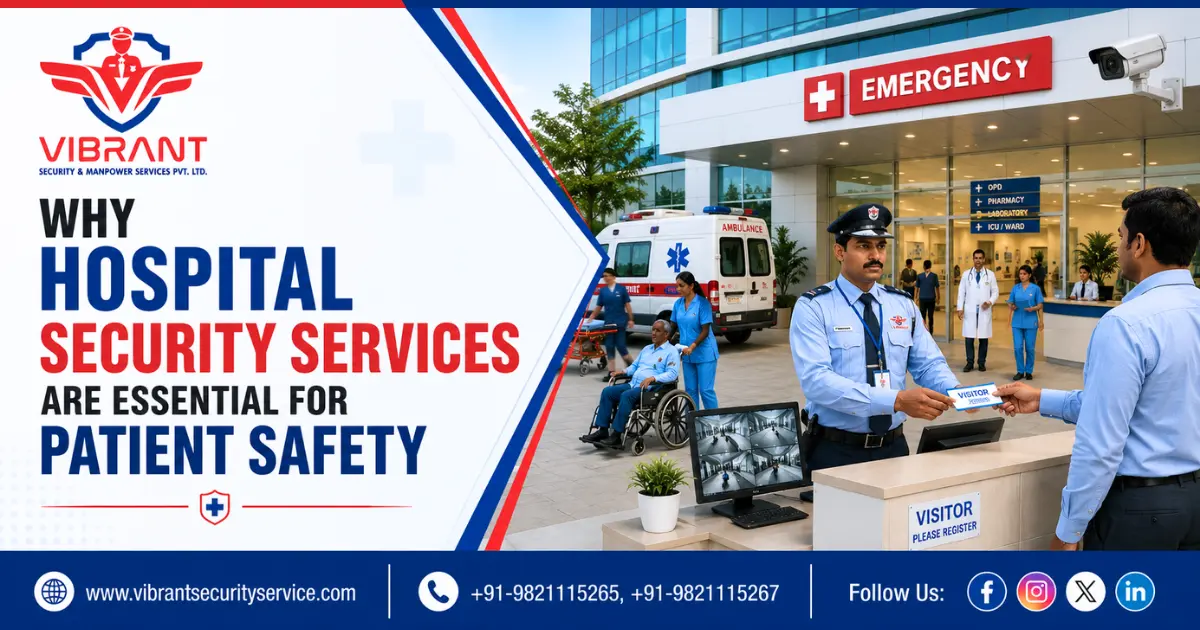
Healthcare facilities operate around the clock, providing critical medical care to patients while managing a constant flow of visitors, staff, emergency cases, and valuable medical equipment. In such a dynamic environment, ensuring safety and maintaining order are just as important as delivering quality healthcare. This is where Hospital Security Services play a vital role.
Hospitals and healthcare facilities across Delhi NCR require professional security solutions to protect patients, healthcare professionals, visitors, medical assets, and sensitive areas. Trained hospital security personnel help create a safe environment by preventing unauthorized access, responding to emergencies, and supporting daily hospital operations.
In this blog, we’ll explore why hospital security services are essential, the responsibilities of hospital security guards, and how professional security contributes to patient safety and efficient healthcare management.
Why Hospital Security Services Are Important
Hospitals face unique security challenges that differ from other commercial establishments. They remain operational 24/7 and experience a continuous flow of patients, visitors, ambulances, vendors, and healthcare professionals.
Professional Hospital Security Services help healthcare facilities:
- Ensure patient safety
- Control unauthorized access
- Protect medical equipment
- Manage visitors efficiently
- Respond to emergencies
- Maintain a secure healthcare environment
A professionally managed security system allows medical staff to focus on patient care while trained security personnel handle safety-related responsibilities.
Common Security Challenges in Hospitals
Hospitals encounter various security risks that require proactive management.
1. Unauthorized Entry
Hospitals receive hundreds of visitors daily. Without proper access control, unauthorized individuals can enter restricted areas, creating safety concerns.
Professional security guards monitor entrances, verify visitors, and restrict access to sensitive departments.
2. Patient and Visitor Management
Emergency departments, waiting areas, and outpatient units often become crowded.
Security personnel help manage visitor movement, maintain order, and prevent overcrowding in critical areas.
3. Protection of Medical Equipment
Hospitals house expensive medical devices, diagnostic equipment, medicines, and healthcare supplies.
Security guards help safeguard these valuable assets by monitoring sensitive locations and preventing theft or misuse.
4. Emergency Situations
Medical emergencies, fire incidents, patient disputes, or security threats require immediate action.
Trained hospital security guards assist hospital staff by responding quickly and coordinating emergency procedures.
5. Workplace Violence Prevention
Healthcare professionals may occasionally encounter aggressive behavior from patients or visitors.
Professional security personnel help de-escalate conflicts and maintain a safe working environment for doctors, nurses, and hospital staff.
Key Responsibilities of Hospital Security Guards
Hospital security guards perform much more than routine surveillance. Their responsibilities contribute directly to the smooth functioning of healthcare facilities.
1. Access Control
Security guards monitor entry and exit points to ensure only authorized individuals enter restricted areas.
This includes:
- Visitor verification
- Staff identity checks
- Vendor monitoring
- Emergency access management
Proper access control helps maintain hospital safety and privacy.
2. Visitor Management
Hospitals receive a large number of visitors every day.
Security guards assist by:
- Guiding visitors
- Maintaining visitor records
- Managing visiting hours
- Preventing unauthorized access
Effective visitor management reduces congestion and improves patient privacy.
3. Emergency Response Support
Professional hospital security personnel are trained to respond during emergencies, including:
- Fire incidents
- Medical emergencies
- Security breaches
- Evacuations
- Natural disasters
Their prompt response helps minimize risks and ensures better coordination during critical situations.
4. Surveillance Monitoring
Many hospitals use CCTV systems to enhance security.
Security guards assist by:
- Monitoring surveillance cameras
- Identifying suspicious activities
- Reporting security incidents
- Coordinating with hospital management
Continuous surveillance improves overall security coverage.
5. Crowd Control
Emergency departments and outpatient areas often experience heavy footfall.
Security personnel help regulate crowds, maintain discipline, and ensure emergency services remain accessible.
6. Incident Reporting
Professional security guards maintain daily security logs and document incidents accurately.
These reports help hospital management evaluate security performance and improve safety procedures.
Benefits of Professional Hospital Security Services
1. Enhanced Patient Safety
A secure environment allows patients to receive treatment without unnecessary security concerns.
2. Improved Staff Protection
Doctors, nurses, and healthcare workers perform their duties more confidently when supported by trained security personnel.
3. Better Visitor Experience
Professional security creates an organized environment by guiding visitors and maintaining smooth movement throughout the hospital.
4. Protection of Hospital Assets
Security guards help protect medical equipment, medicines, confidential records, and hospital property from theft or damage.
5. Faster Emergency Response
Security personnel play a key role in responding to emergencies quickly and supporting medical teams during critical situations.
Healthcare Facilities That Need Hospital Security Services
Professional Hospital Security Services are beneficial for various healthcare institutions, including:
1. Multi-Specialty Hospitals
Ensure patient safety, visitor management, and emergency response.
2. Government Hospitals
Manage large patient volumes and maintain public safety.
3. Private Hospitals
Protect patients, staff, and valuable medical infrastructure.
4. Clinics & Diagnostic Centers
Monitor access and safeguard medical equipment.
5. Nursing Homes
Provide secure and peaceful environments for patients and healthcare professionals.
6. Medical Colleges
Support campus security and hospital operations within educational healthcare institutions.
How to Choose the Right Hospital Security Services
Selecting the right security provider is essential for maintaining a safe healthcare environment.
1. Choose an Experienced Security Company
Look for companies with experience in providing security services for healthcare facilities.
2. Ensure Proper Training
Hospital security guards should receive specialized training in healthcare security, emergency response, and conflict management.
3. Verify Background Checks
Security personnel should be properly verified before deployment.
4. Evaluate Emergency Preparedness
Choose a company capable of handling emergency situations efficiently.
5. Look for Customized Security Solutions
Every hospital has unique security requirements. A reliable security provider should offer customized security plans based on the facility’s needs.
Why Outsourcing Hospital Security Services Is a Smart Choice
Many hospitals prefer outsourcing security because it provides several operational advantages.
Benefits include:
- Access to trained security professionals
- Professional supervision
- Flexible staffing solutions
- Reduced recruitment and training costs
- Improved operational efficiency
- Reliable 24/7 security support
Outsourcing allows hospital management to focus on healthcare delivery while experienced professionals manage security operations.
Why Choose Vibrant Security & Manpower Services
Vibrant Security & Manpower Services provides reliable Hospital Security Services designed to meet the unique security requirements of healthcare facilities.
Why Healthcare Facilities Choose Vibrant Security
- Trained and verified security guards
- Professional visitor and access management
- Emergency response support
- 24/7 security services
- Customized security solutions
- Experienced supervision and management
Our goal is to help hospitals maintain a secure, organized, and professionally managed environment where patients, visitors, and healthcare professionals feel safe.
Conclusion
Hospitals require more than medical expertise to operate efficiently—they also need a safe and secure environment for patients, healthcare professionals, visitors, and valuable medical assets. Professional Hospital Security Services play a crucial role in preventing unauthorized access, managing emergencies, protecting infrastructure, and supporting uninterrupted healthcare operations.
By partnering with an experienced security provider, hospitals can strengthen patient safety, improve operational efficiency, and create a secure environment that supports quality healthcare delivery.
Also Read – Warehouse Security Guard Services: Protecting Inventory and Operations
Need Professional Hospital Security Services?
Looking for trained hospital security guards for your healthcare facility? Vibrant Security & Manpower Services provides reliable security solutions designed to protect patients, staff, visitors, and hospital assets with professional security personnel across Delhi NCR.
📞 Call Us: +91-9821115265, +91-9821115267
📧 Email: info@vibrantsecurityservice.com
Or simply fill out the inquiry form below, and our team will get in touch with you to discuss your hospital security requirements and provide a customized security solution for your healthcare facility.
Frequently Asked Questions ( FAQs )
Q1. What are Hospital Security Services?
Hospital Security Services involve trained security personnel who protect patients, healthcare staff, visitors, medical equipment, and hospital premises while maintaining a safe and secure environment.
Q2. Why are Hospital Security Services important?
They help prevent unauthorized access, manage visitors, protect valuable medical assets, respond to emergencies, and improve patient safety.
Q3. What responsibilities do hospital security guards perform?
Hospital security guards manage access control, monitor visitors, patrol hospital premises, support emergency response, monitor CCTV systems, and prepare incident reports.
Q4. Which healthcare facilities require hospital security services?
Multi-specialty hospitals, government hospitals, private hospitals, nursing homes, clinics, diagnostic centers, and medical colleges all benefit from professional hospital security services.
Q5. Why should hospitals outsource security services?
Outsourcing provides trained security professionals, professional supervision, cost savings, flexible staffing, and reliable 24/7 security support, allowing healthcare providers to focus on patient care.